The first time you’re alone with your baby — why it hits so hard
- Kat Allen
- Apr 19
- 2 min read

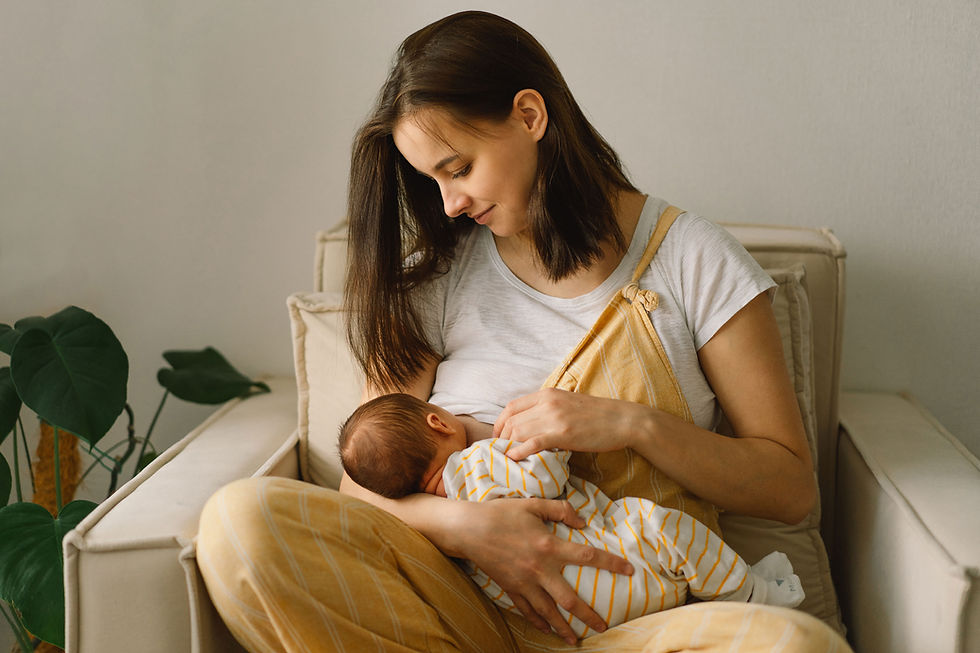
That first quiet moment after birth—when the world finally settles and it’s just you and your baby—can hit harder than anyone warns you about. You might have imagined it as magical, serene, and instantly bonding, but instead, it can feel overwhelming, isolating, and even scary.
This moment is intense because it’s the first time you’re facing the full weight of responsibility without the buffer of nurses, family, or your partner. Every decision, every movement, every cry feels monumental. Your body is exhausted, your hormones are surging or crashing, and your brain is still processing the birth experience you just lived through.
You may feel:
Vulnerability: The realization that your baby’s life is entirely in your hands can be both awe-inspiring and terrifying.
Isolation: Even with support all around you before this moment, it can feel like no one truly understands the depth of responsibility you carry now.
Anxiety: Everything—from feeding to diaper changes to breathing—can trigger a heightened sense of alertness or panic.
Emotional flooding: Relief, joy, fear, love, and exhaustion all collide at once, leaving you raw and unsteady.
Why it hits so hard isn’t a reflection of your capability or your love—it’s biology, stress, and the enormity of transition. Your nervous system is trying to regulate itself after birth, your sleep-deprived brain is processing trauma or overwhelm, and your body is still recovering physically and hormonally.
What can help during that first solo time:
Preparation: Having a clear plan for feeding, sleeping, and basic needs can reduce panic.
Support on call: Knowing someone is available—even virtually—can ease the weight of feeling “alone.”
Mindful breathing: Simple grounding techniques can help you slow your racing mind.
Self-compassion: Remind yourself that every parent feels unsure at first, and perfection is never expected.
Small rituals: A song, a swaddle, a moment of skin-to-skin—tiny anchors create calm and connection.
That first time alone is a rite of passage. It’s raw, powerful, and deeply human. Feeling shaken doesn’t mean you’re failing; it means you’re stepping fully into your new role. Over time, those moments become more manageable, and the connection with your baby grows steadier—but the intensity of that first encounter will always be remembered as the moment you realized the depth of what it means to care for another life.


Comments