Dealing with Guilt: When Your Birth Experience Doesn’t Go as Planned

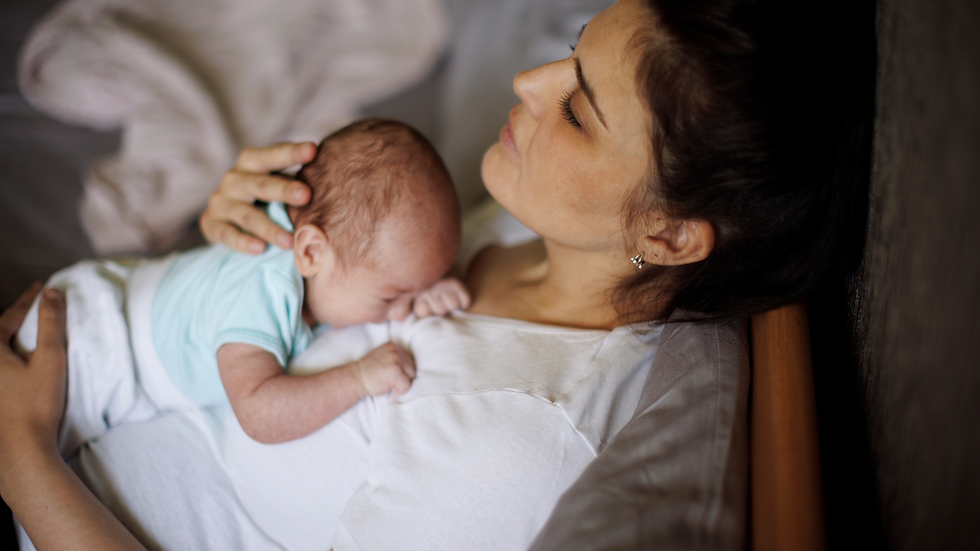
We go into labor hoping for a certain experience, preparing and dreaming about how those first precious moments will feel. But sometimes, despite all the preparation and hope, things don’t go the way we planned. This can leave us feeling lost, disappointed, or overwhelmed by guilt—questioning ourselves, our choices, or our bodies. If you’re wrestling with these feelings, please know that you’re not alone, and your experience is valid.
When my journey into parenthood didn’t go as expected, I felt the weight of these emotions, too. I questioned what went wrong and wrestled with feelings of guilt. Therapy and the support of others were crucial in helping me navigate this complex time. You’re not alone in feeling this way, and your emotions are completely valid.
Here’s a compassionate look at why it’s so common to feel guilt after an unexpected birth experience, and some ways to navigate these complex emotions with kindness.
Recognizing That Guilt Isn’t a Reflection of Your Worth
When birth doesn’t go as planned, it’s easy to feel that it’s somehow our fault or that we “failed” at bringing our baby into the world. But here’s the truth: birth is unpredictable, and there are so many factors outside of our control. Guilt can creep in, making us question ourselves or feel like we didn’t do “enough”—but the outcome doesn’t define your worth as a parent or a person.
Guilt, in this case, is often rooted in love and care. You wanted to give your baby the best start, and that deep desire speaks to the kind of loving, committed parent you are. Your birth experience may not have gone as planned, but that doesn’t diminish the love you have for your child or the strength you showed in bringing them here.
Giving Yourself Permission to Grieve the Plan You Had
Many of us pour our hearts into planning for the “perfect” birth, visualizing every detail. When things take a different path, there’s often a sense of loss that goes unspoken. Give yourself permission to grieve this. It’s okay to feel sad, disappointed, or even a little heartbroken over the birth you didn’t have.
Grieving isn’t a sign of weakness; it’s a healthy way of processing what you went through. Allowing yourself to feel this sadness, to acknowledge what didn’t go as expected, can be a step toward healing. Birth is a deeply personal journey, and it’s natural to feel a sense of loss for the experience you dreamed of.
Embracing Self-Compassion in Your Healing
One of the kindest things you can do for yourself is to approach your feelings with self-compassion. Try to talk to yourself as you would a dear friend who’s gone through the same experience. You wouldn’t tell them they “failed” or should have done things differently; you’d remind them of their strength, resilience, and the love that brought their baby here.
In moments of guilt, practice gentle self-talk. Remind yourself that you did your best, that birth is unpredictable, and that you are no less of a parent because things went differently than you planned. Self-compassion is about giving yourself grace and understanding, recognizing that you’re human, and letting yourself heal with kindness.
Finding Support in Others Who Understand
Guilt after an unexpected birth experience is more common than people think, and talking to others who’ve felt the same way can be incredibly validating. Many parents find comfort in sharing their stories, whether with close friends, in support groups, or online communities. These conversations can remind you that you’re not alone and that it’s okay to feel the way you do.
Consider connecting with a postpartum support group or speaking with a mental health professional who specializes in birth and postpartum challenges. When I struggled with postpartum depression and anxiety, therapy became my anchor, guiding me toward understanding my feelings and giving me tools to navigate them. Sometimes, just having a safe space to voice your feelings without judgment can be a huge relief.
Focusing on the Strength You Showed
Every birth story is different, and every birth requires a unique kind of strength. Even if your birth didn’t go as planned, the fact that you got through it—the fact that you were there for your baby through it all—shows your resilience. Birth experiences are unpredictable, and navigating the twists and turns requires courage and adaptability.
Try to reflect on the ways you showed strength, whether by making decisions under pressure, staying calm for your baby, or simply persevering through a difficult experience. These are all signs of the strength you have as a parent, and they’re a powerful reminder that you did what you could, even when things were hard.
Allowing Yourself to Embrace the Present
When birth doesn’t go as planned, it can be hard to shift focus from the experience we wanted to the experience we had. While it’s important to honor those feelings, remember that this moment with your baby is also precious and worthy of love. Embracing the present doesn’t mean you have to “let go” of what happened—it simply means finding moments of connection and joy here and now.
Take time to bond with your baby in ways that feel meaningful, whether through skin-to-skin contact, gentle rocking, or simply gazing into their eyes. Allow yourself to create memories, even if they look different than you’d expected. Over time, these moments can help shift your focus from guilt to gratitude for the family you’ve built, no matter how the journey began.
You Are More Than Your Birth Experience
Remember, your birth experience does not define your worth as a parent. The love, care, and effort you show each day matter so much more than the way things played out on that one day. Dealing with guilt after an unexpected birth is a complex process, but by approaching yourself with compassion, reaching out for support, and focusing on your strengths, you can find peace in your journey.
Birth may not always go as planned, but your story is still filled with resilience, courage, and love. As you move forward, know that it’s okay to hold space for the parts of your experience that were hard while also celebrating the beautiful life you’ve brought into the world.



Comments